
GETS 2026 Successfully Concluded in Bali
Leading the Green Transition: Strategies for a Climate-Resilient Future
GETS 2026 successfully brought together researchers, universities, policymakers, industry leaders, and sustainability professionals through a hybrid international conference held in Bali, Indonesia. The summit fostered interdisciplinary collaboration, knowledge exchange, and sustainability innovation across environmental governance, renewable energy, circular economy, ESG, climate resilience, AI for sustainability, and sustainable business transformation.
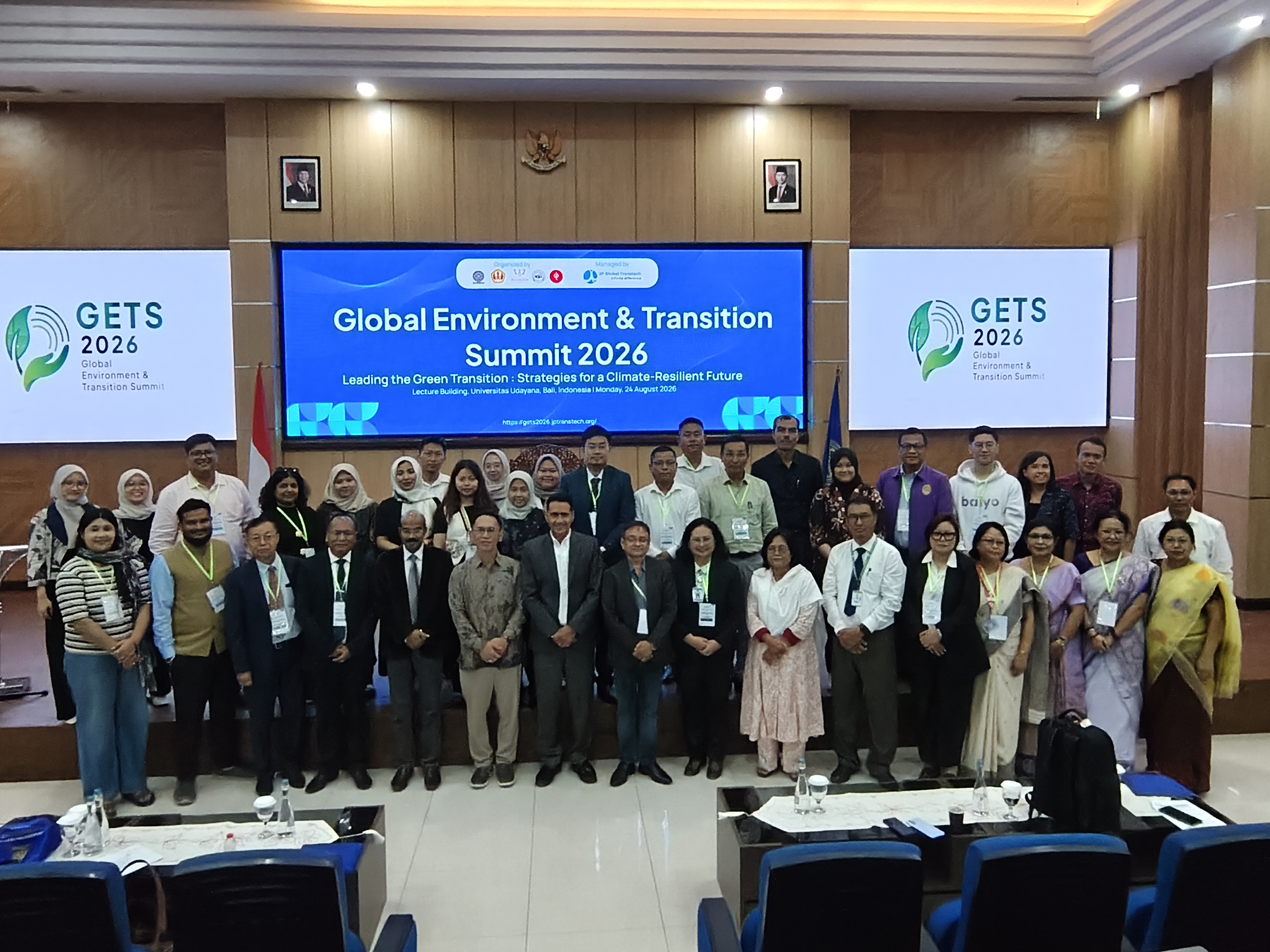
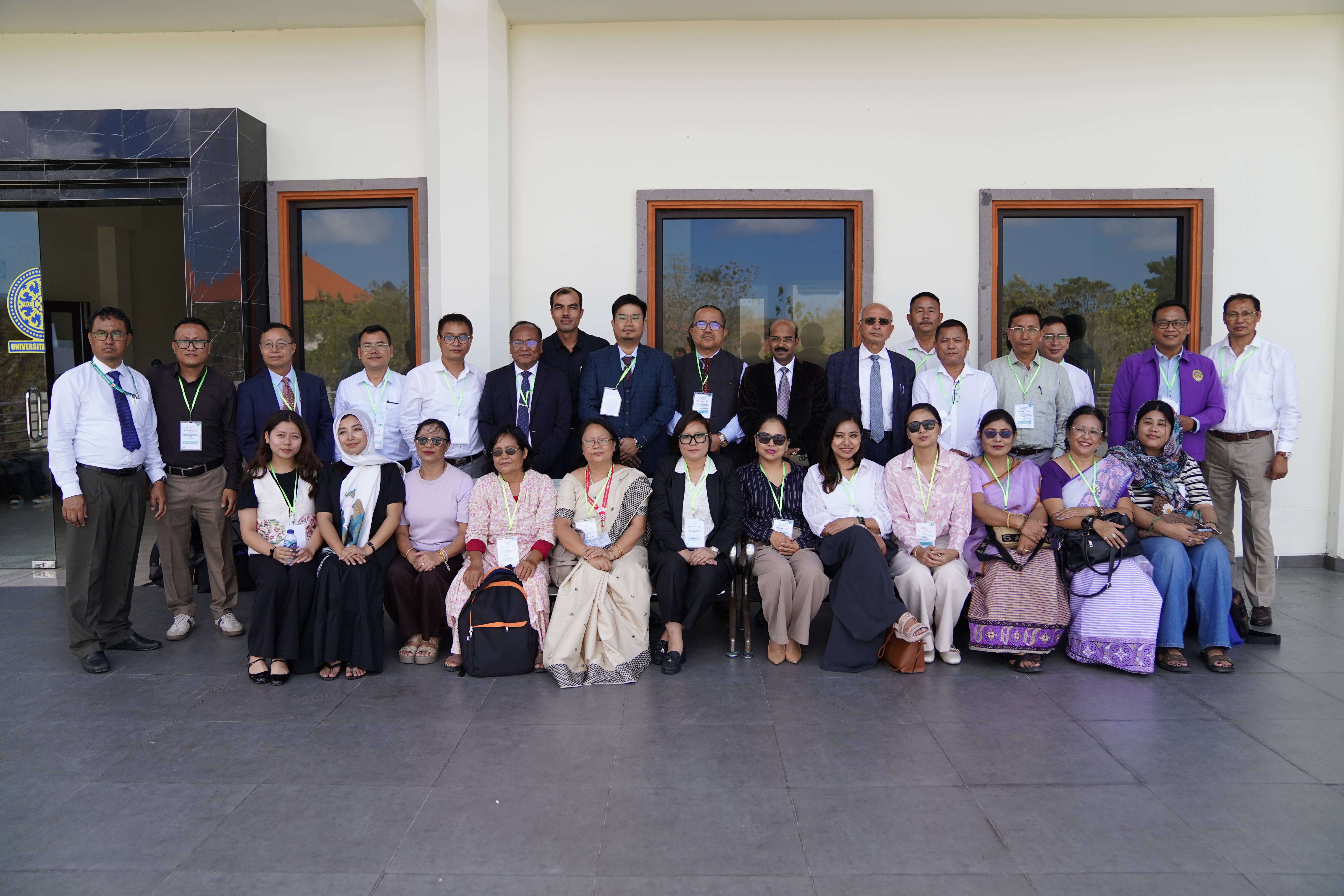
GETS 2026 Event Summary & Impact Highlights
Global Environment & Transition Summit (GETS) 2026 brought together researchers, policymakers, industry leaders, and sustainability practitioners from Indonesia and India to explore collaborative strategies for accelerating the green transition and building a climate-resilient future.
50+
Global Delegates
20+
Research Sessions
15+
Keynote & Invited Speakers
8+
Sustainability Research Tracks
International collaboration between Indonesia and India.
Research presentations across ESG and sustainability themes.
Knowledge exchange connecting academia, government, and industry.
Collaborative outcomes supporting future climate resilience initiatives.
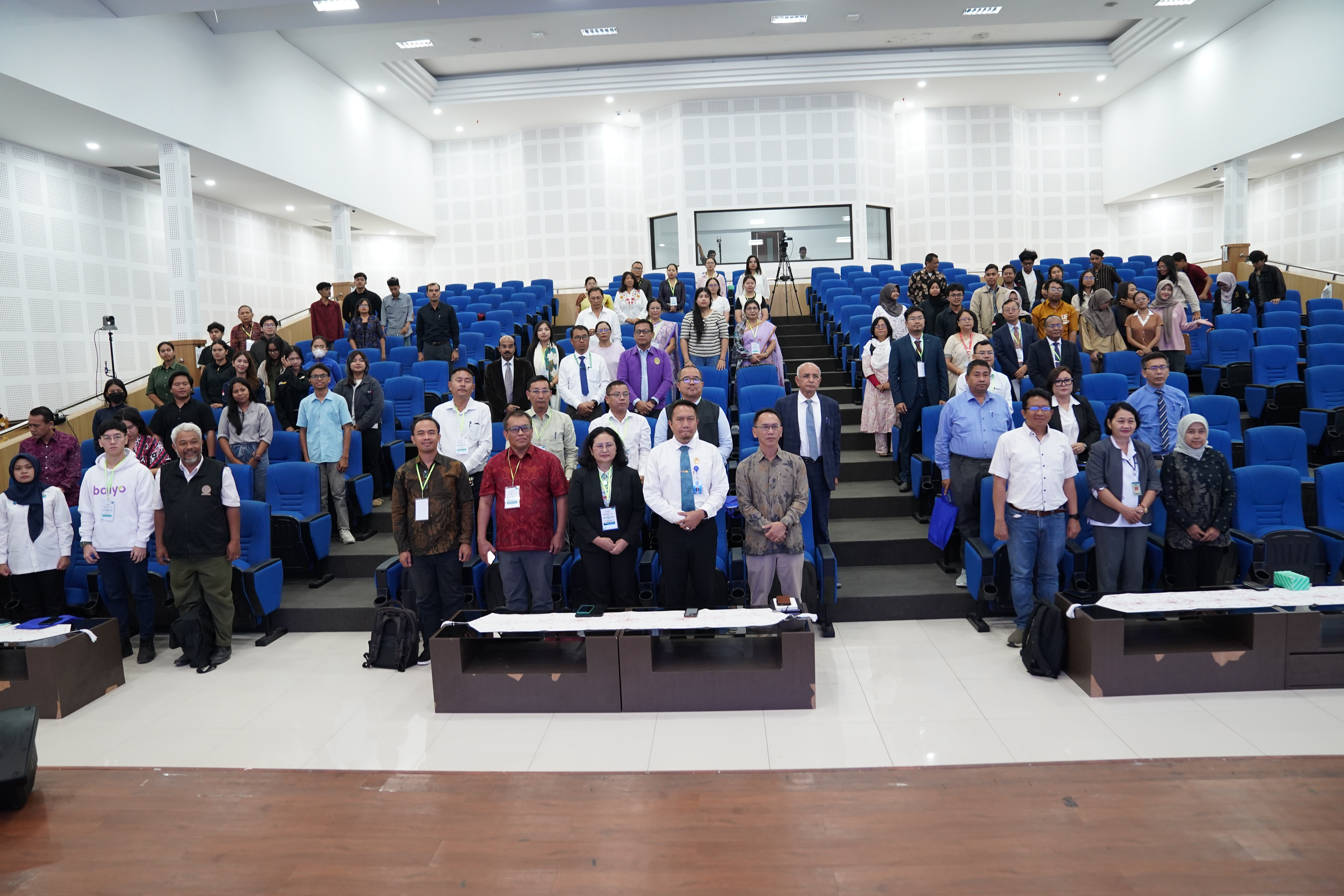
Global Environment &
Transition Summit 2026
Universitas Udayana
Bali, Indonesia
24 August 2026
GETS 2026 Conference Overview
The Global Environment & Transition Summit (GETS) 2026 successfully concluded in Bali, Indonesia, bringing together researchers, universities, policymakers, industry leaders, and sustainability professionals through a hybrid international conference dedicated to advancing climate resilience and sustainable transition.
Held at Universitas Udayana on 24 August 2026, the conference created a collaborative platform for interdisciplinary research dissemination, policy dialogue, and international academic partnership between Indonesia and India.
International Academic Collaboration
Strengthening partnerships between universities and research institutions across Indonesia and India.
Climate & Sustainability Dialogue
Exploring solutions for climate resilience, ESG transformation, renewable energy, circular economy, and sustainable development.
Research Knowledge Exchange
Providing a platform for multidisciplinary research presentations, keynote lectures, and parallel academic discussions.
Cross-Sector Collaboration
Connecting academia, government, industry, and sustainability practitioners through collaborative dialogue and networking.
Conference Outcomes
GETS 2026 generated meaningful academic discussions and institutional collaboration supporting sustainable development and climate resilience across multiple disciplines.
International keynote lectures and invited expert sessions.
Parallel presentations covering sustainability-related research themes.
Collaboration between universities, policymakers, and industry representatives.
Knowledge dissemination through proceedings and publication initiatives.
Conference Focus Areas
— Official Conference Closing Statement"GETS 2026 served as a collaborative platform connecting knowledge, innovation, and international partnership toward a climate-resilient future."
Continue exploring the conference journey through keynote sessions, gallery documentation, proceedings, and sustainability outcomes.
Distinguished Speakers
We are proud to present our confirmed international speakers. Additional keynote speakers, researchers, industry leaders, and policymakers will be announced in the coming weeks.
Speakers
15 speakers
Prof. J. U. Ahmed
Department of Management, NEHU & Director, NEMA
India
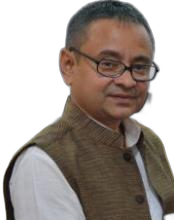
Dr. Goutam Jha
School of Language, Literature and Culture Studies (LLCS), JNU, New Delhi
India
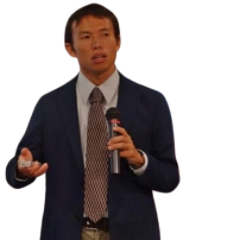
Prof. Dr. Takeshi Takama
Visiting Professor, Universitas Udayana, Bali
Indonesia
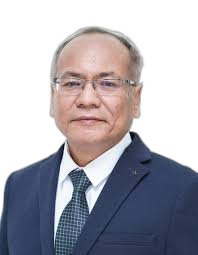
Prof. L. S. Sharma
Department of Management, Mizoram University & Chairman, NEMA
India
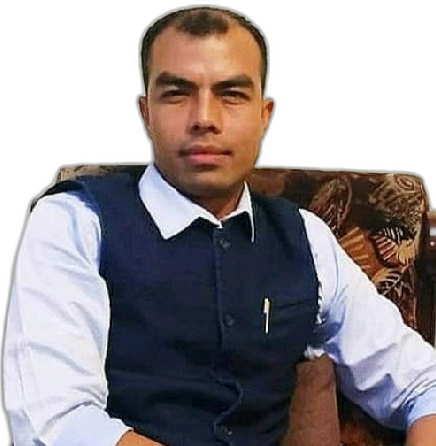
Shri M. Priyananda Sharma
Director, VisioNE India
India

Ni Nyoman Santi, S.T., M.Sc.
Head of Environmental Control Center, Bali & Nusa Tenggara
Indonesia
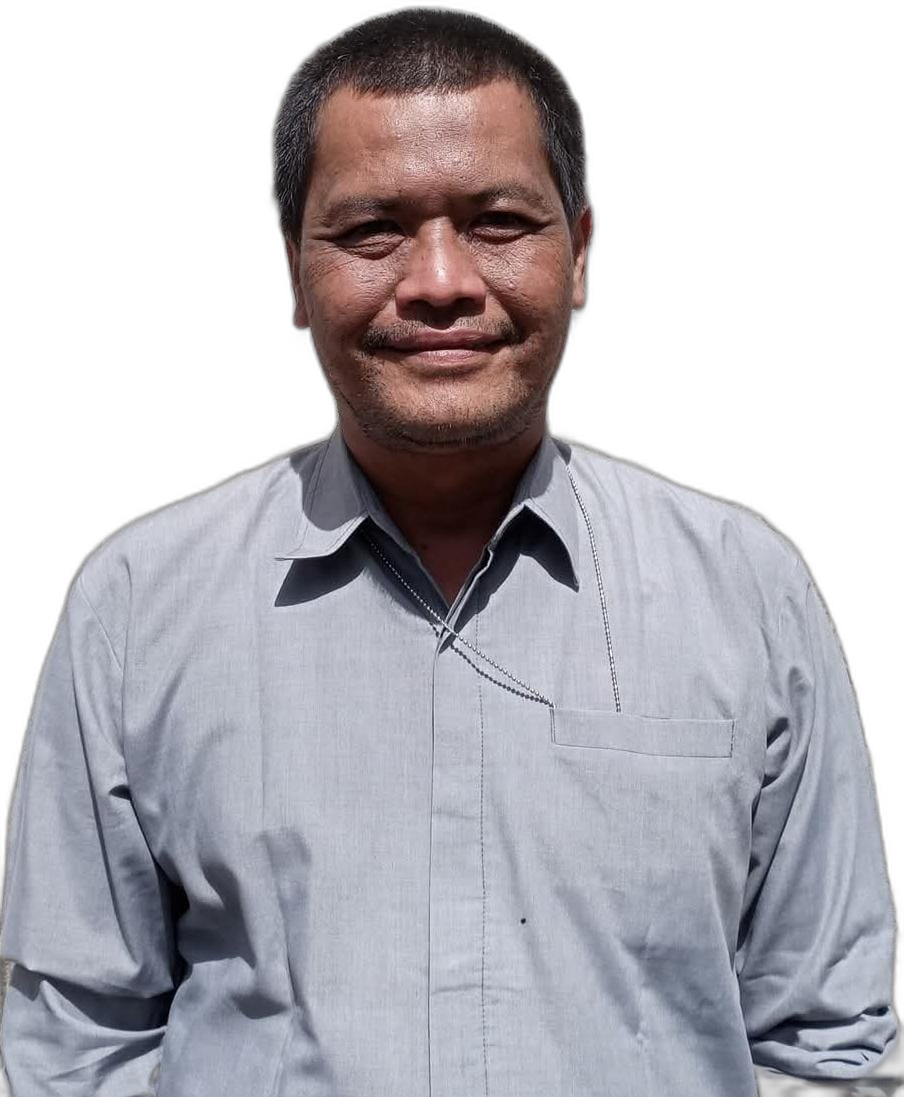
Irfan Miswari
PT. Mukti Mandiri Lestari
Indonesia
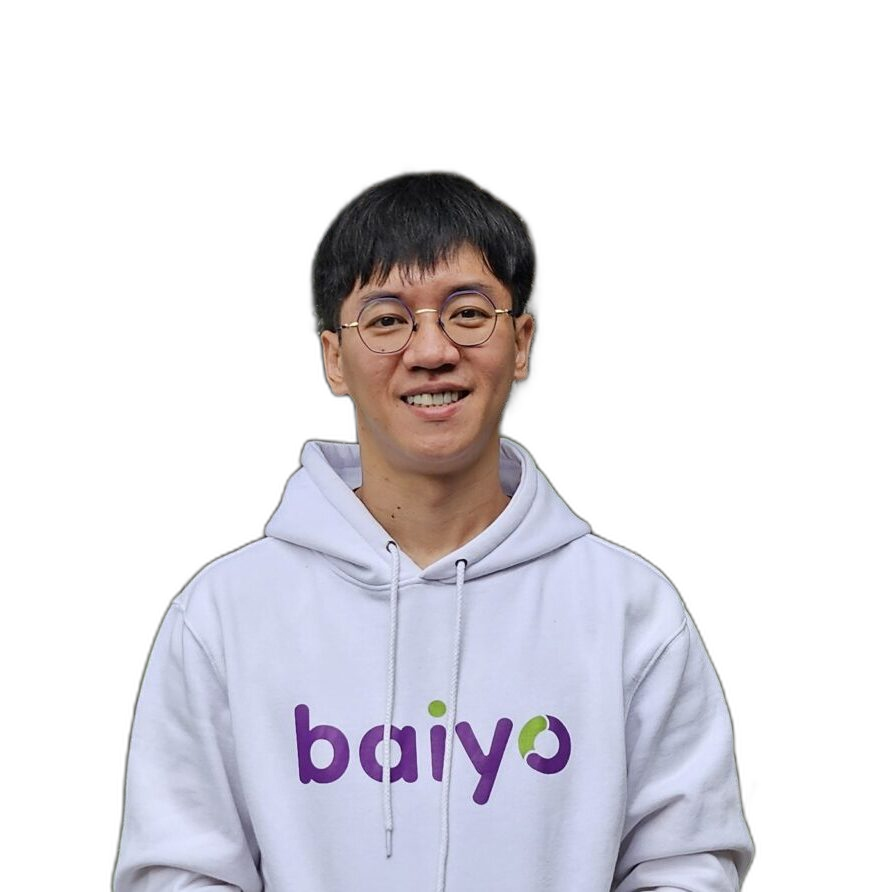
Willy D.Liusan
PT Alam Bali Mandiri
Indonesia

Prof. Dr. Ir. I Made Sudarma, M.S.
Universitas Udayana
Indonesia

Prof. I Wayan Mudianta, M.Phil., Ph.D.
Universitas Pendidikan Ganesha
Indonesia

Prof. Ni Nyoman Rupiasih, S.Si., M.Si., Ph.D.
Department of Physics, Universitas Udayana
Indonesia
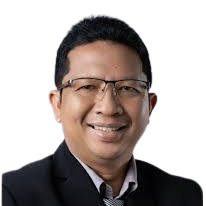
I Gede Hendrawan, S.Si., M.Si., Ph.D.
Universitas Udayana
Indonesia
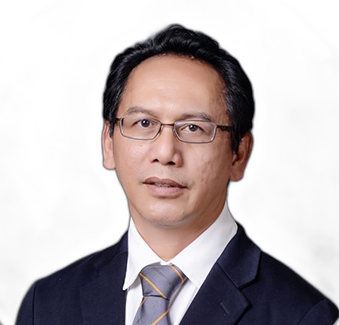
Prof. Dr.Eng. I Made Joni
Director, FiNder U-CoE, Universitas Padjadjaran
Indonesia
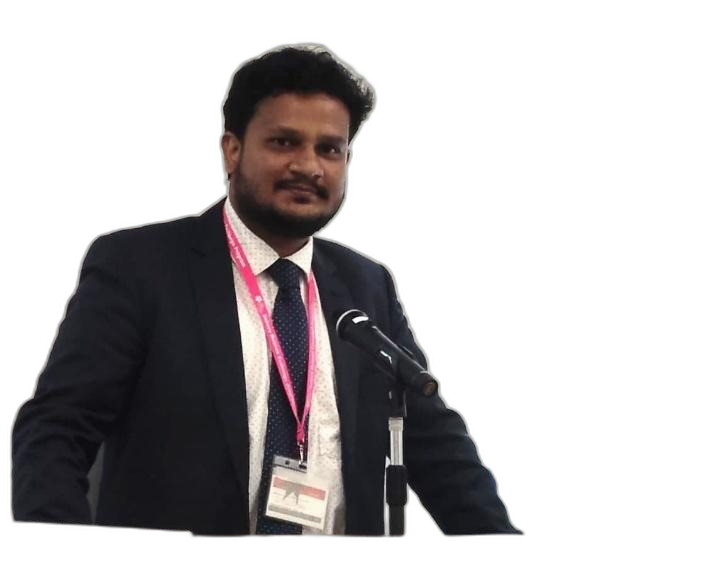
Dr. K Karthik
Post-Doctoral Fellow, FiNder U-CoE, UNPAD, Indonesia & Assistant Professor, Dept. of Chemistry, Sathyabama Institute of Science and Technology, Chennai, India
India
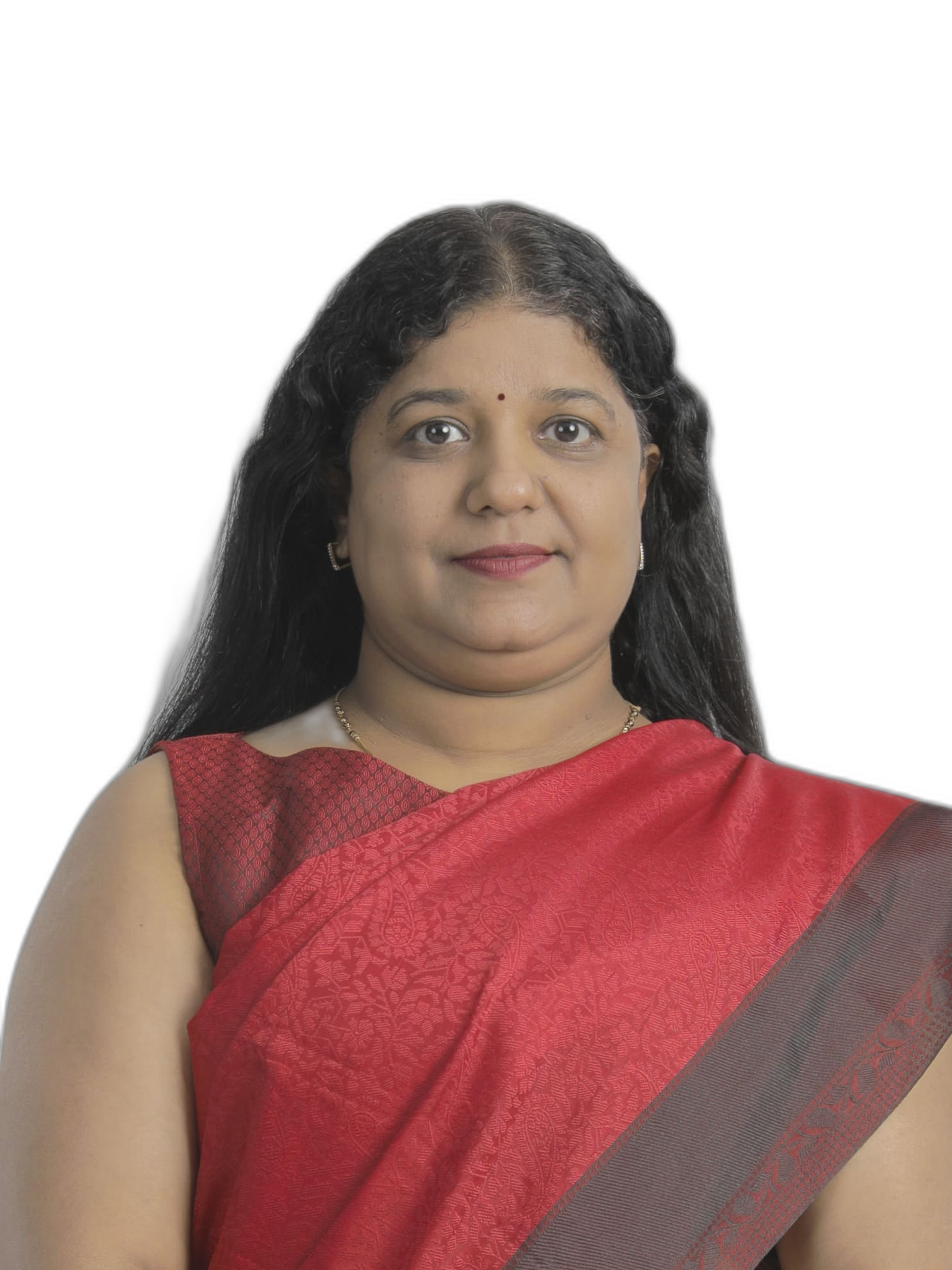
Dr. Arti Hadap
Post-Doctoral Fellow, FiNder U-CoE, UNPAD, Indonesia & Assistant Professor, Dept. of Basic Science and Humanities, Mukesh Patel School of Technology Management and Engineering, NMIMS Deemed-to-be University, Mumbai, India
India
Prof. J. U. Ahmed
Department of Management, NEHU & Director, NEMA
India
Dr. Goutam Jha
School of Language, Literature and Culture Studies (LLCS), JNU, New Delhi
India
Prof. Dr. Takeshi Takama
Visiting Professor, Universitas Udayana, Bali
Indonesia
Prof. L. S. Sharma
Department of Management, Mizoram University & Chairman, NEMA
India
Shri M. Priyananda Sharma
Director, VisioNE India
India
Ni Nyoman Santi, S.T., M.Sc.
Head of Environmental Control Center, Bali & Nusa Tenggara
Indonesia
Irfan Miswari
PT. Mukti Mandiri Lestari
Indonesia
Willy D.Liusan
PT Alam Bali Mandiri
Indonesia
Prof. Dr. Ir. I Made Sudarma, M.S.
Universitas Udayana
Indonesia
Prof. I Wayan Mudianta, M.Phil., Ph.D.
Universitas Pendidikan Ganesha
Indonesia
Prof. Ni Nyoman Rupiasih, S.Si., M.Si., Ph.D.
Department of Physics, Universitas Udayana
Indonesia
I Gede Hendrawan, S.Si., M.Si., Ph.D.
Universitas Udayana
Indonesia
Prof. Dr.Eng. I Made Joni
Director, FiNder U-CoE, Universitas Padjadjaran
Indonesia
Dr. K Karthik
Post-Doctoral Fellow, FiNder U-CoE, UNPAD, Indonesia & Assistant Professor, Dept. of Chemistry, Sathyabama Institute of Science and Technology, Chennai, India
India
Dr. Arti Hadap
Post-Doctoral Fellow, FiNder U-CoE, UNPAD, Indonesia & Assistant Professor, Dept. of Basic Science and Humanities, Mukesh Patel School of Technology Management and Engineering, NMIMS Deemed-to-be University, Mumbai, India
India
Institutional Framework
Organizers, project managers, and strategic partners for GETS 2026.




Project Journey
The complete journey of GETS 2026 from initiation to closing.
Initiation
- Project Charter
- Stakeholder Mapping
- International Partnership
Planning
- Website Development
- Registration System
- Speaker Coordination
- Venue Planning
- Marketing & Publication
Execution
- Hybrid Conference
- Keynote Sessions
- Parallel Sessions
- Documentation
- Registration
- Certificate
Strategic Collaboration
- FGD Indonesia–India
- Wanagiri Visit
Closing
- Closing Report
- Lesson Learned
- Website Report
- SOP Recommendation
Scroll horizontally to see all phases
Conference Report
GETS 2026 has successfully concluded. Here is a summary of the events that took place.
GETS 2026 Conference
Plenary & parallel sessions at Lecture Building, Universitas Udayana, Bali (Hybrid).
Wanagiri Learning Visit Program
Learning visit to su-re.co in Wanagiri. Limited to 50 participants.
Event Gallery
Visual documentation and key moments from GETS 2026.
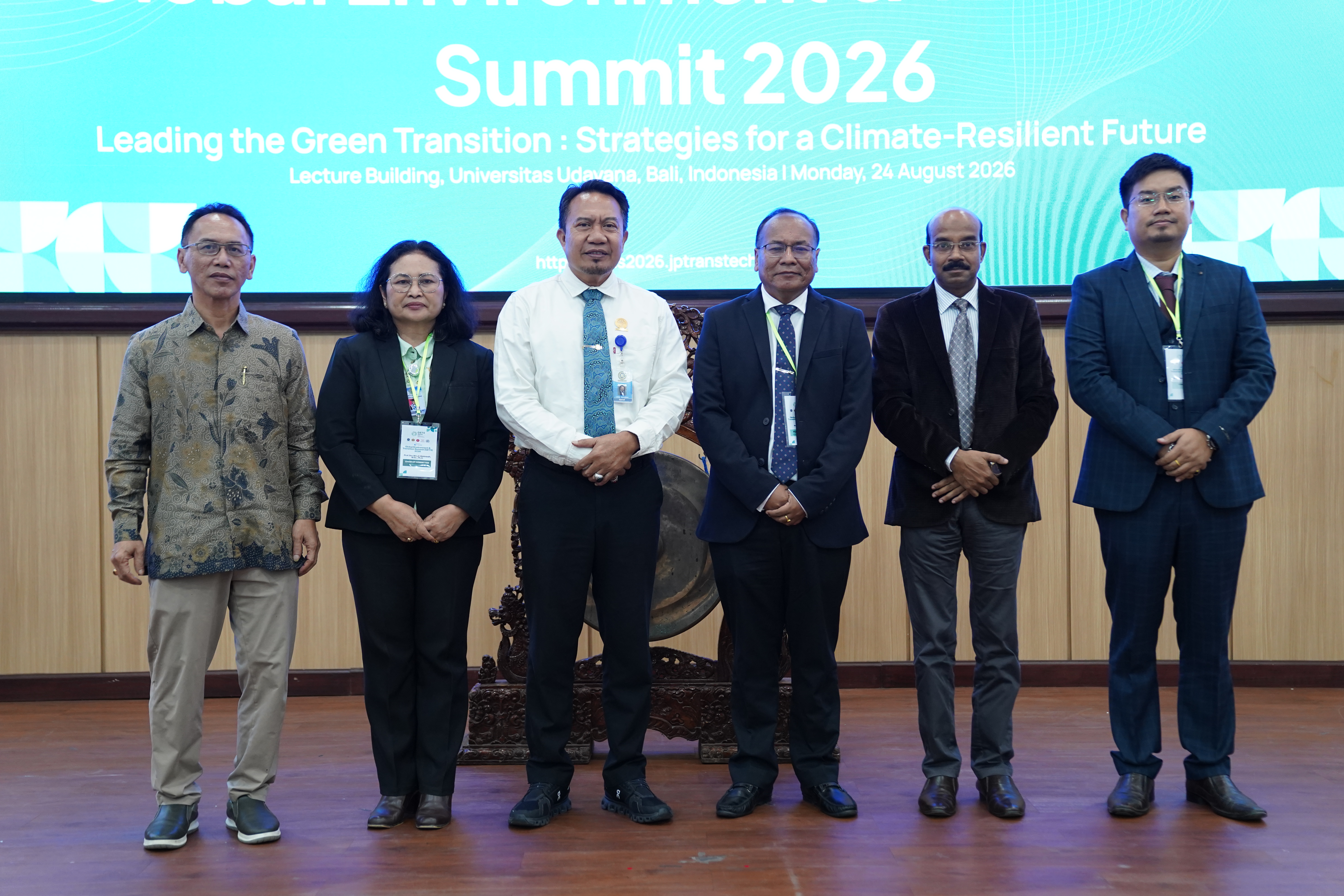
GETS 2026 Conference — 24 Aug
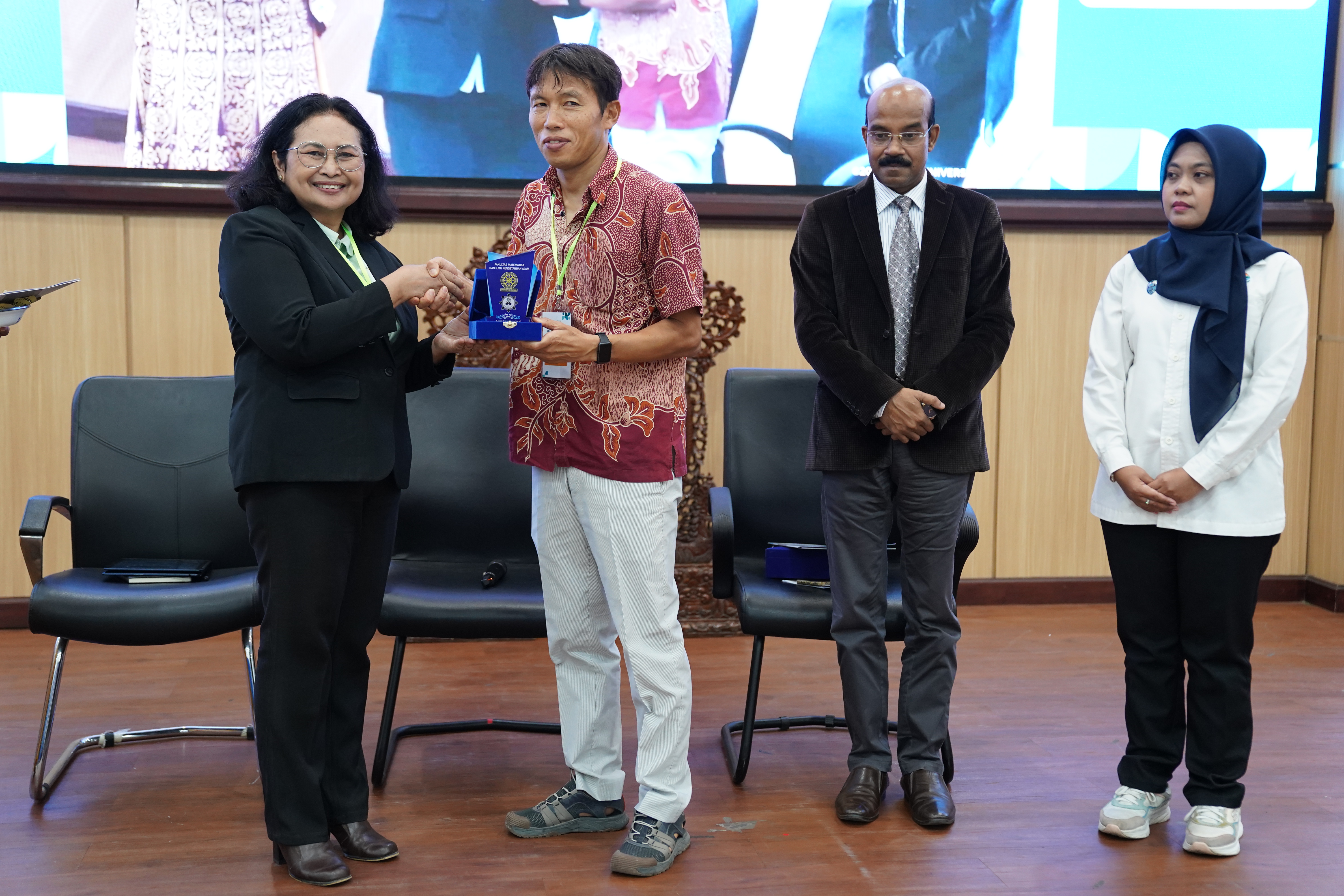
GETS 2026 Conference
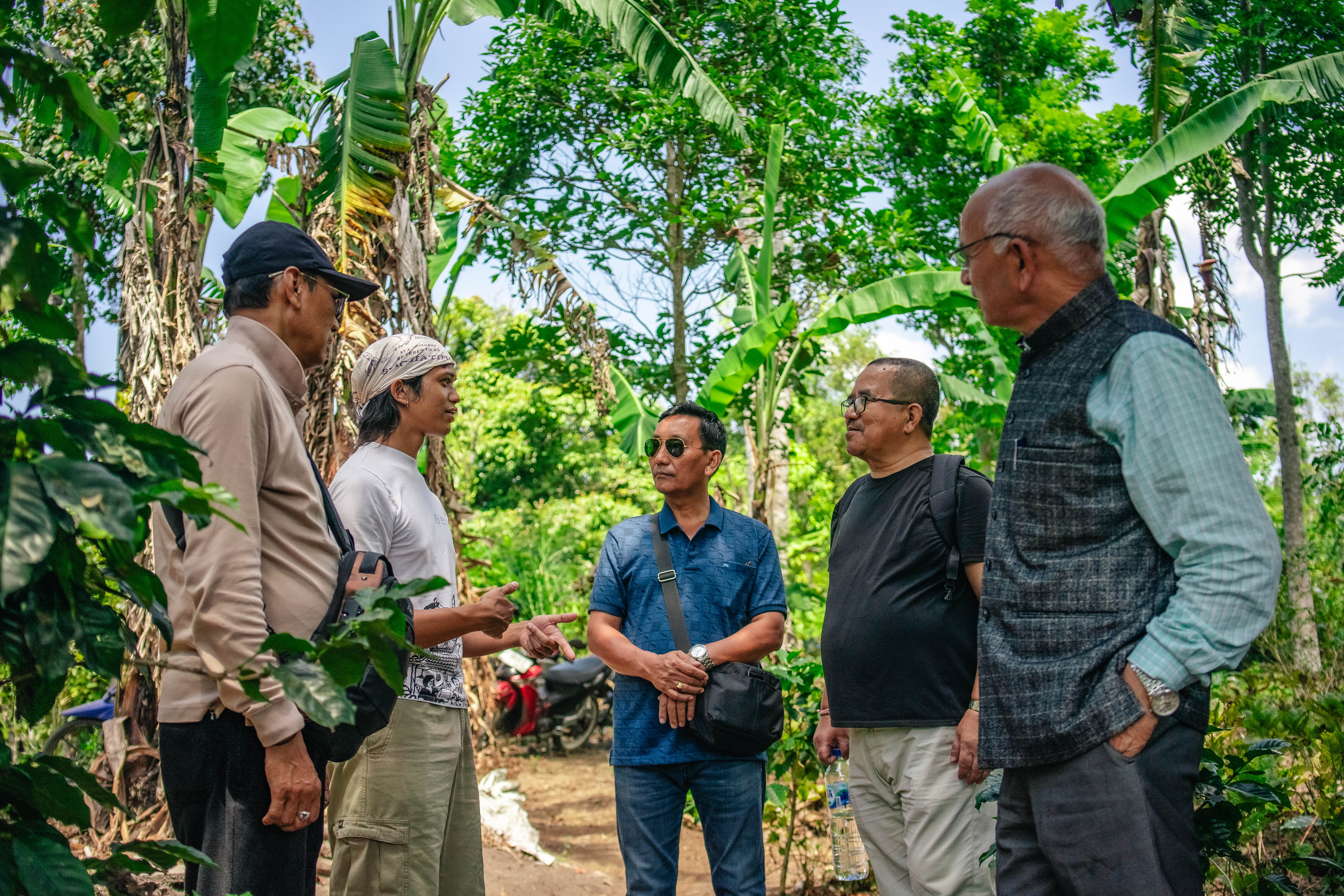
Wanagiri Learning Visit — 25 Aug
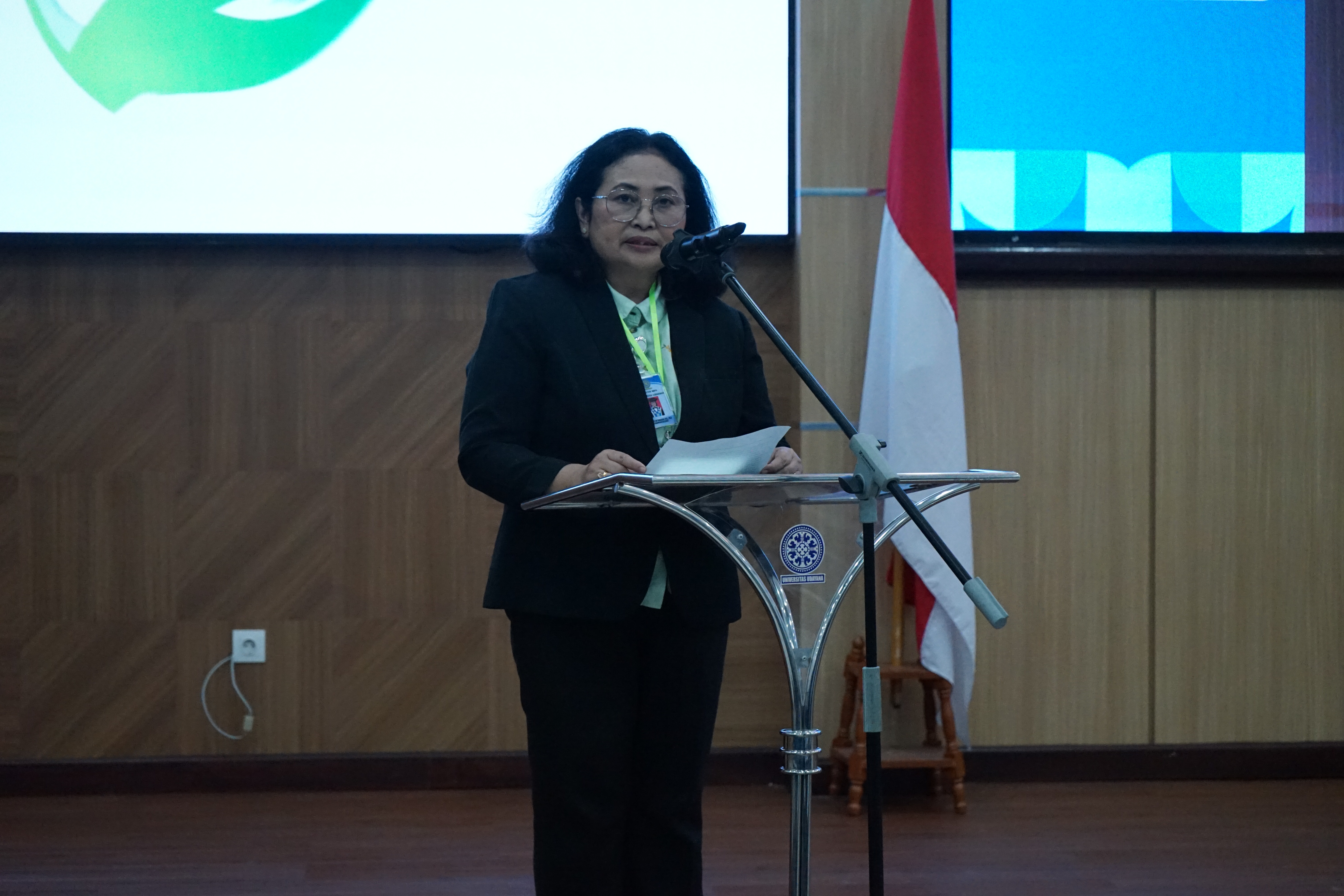
GETS 2026 Conference
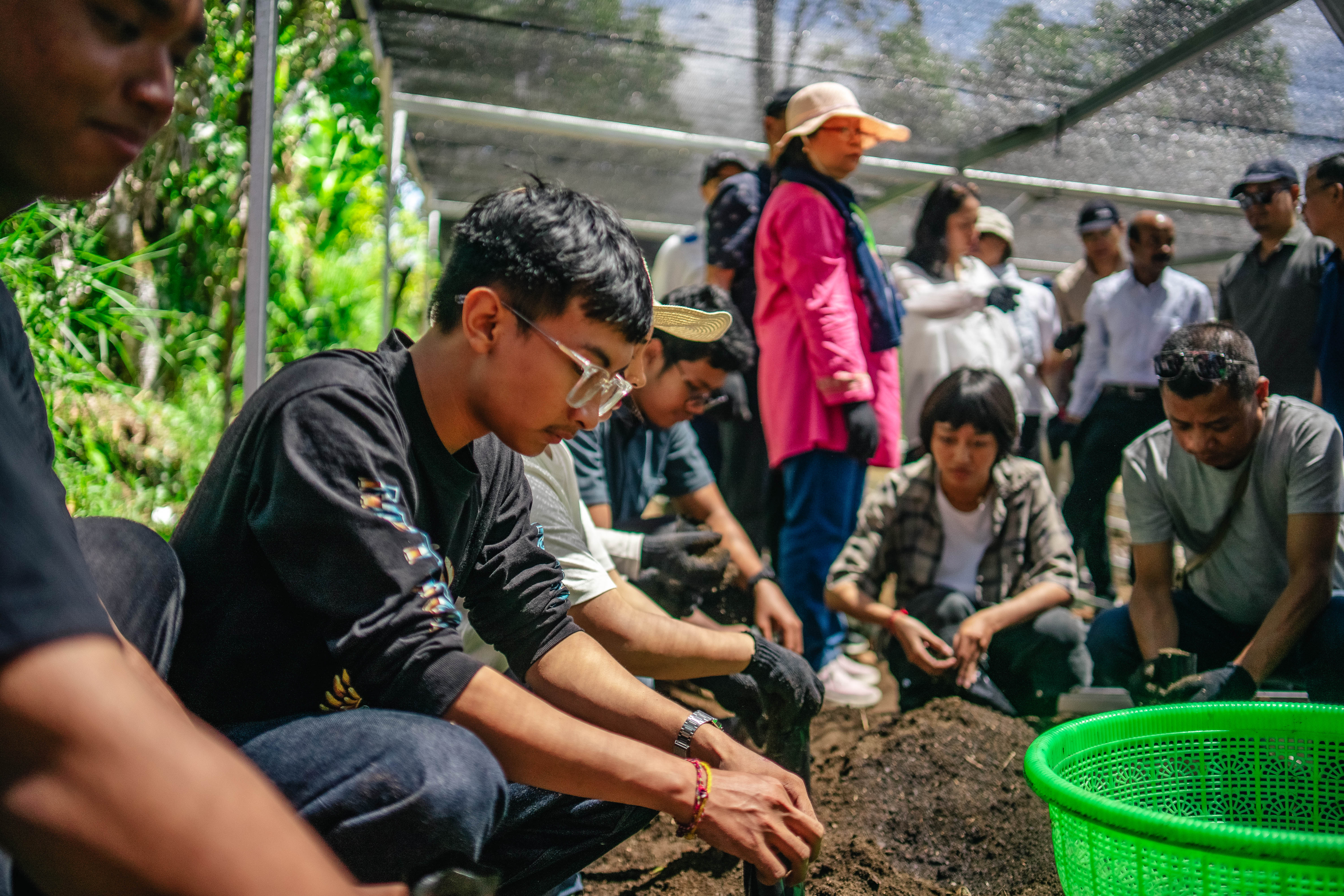
Wanagiri Learning Visit
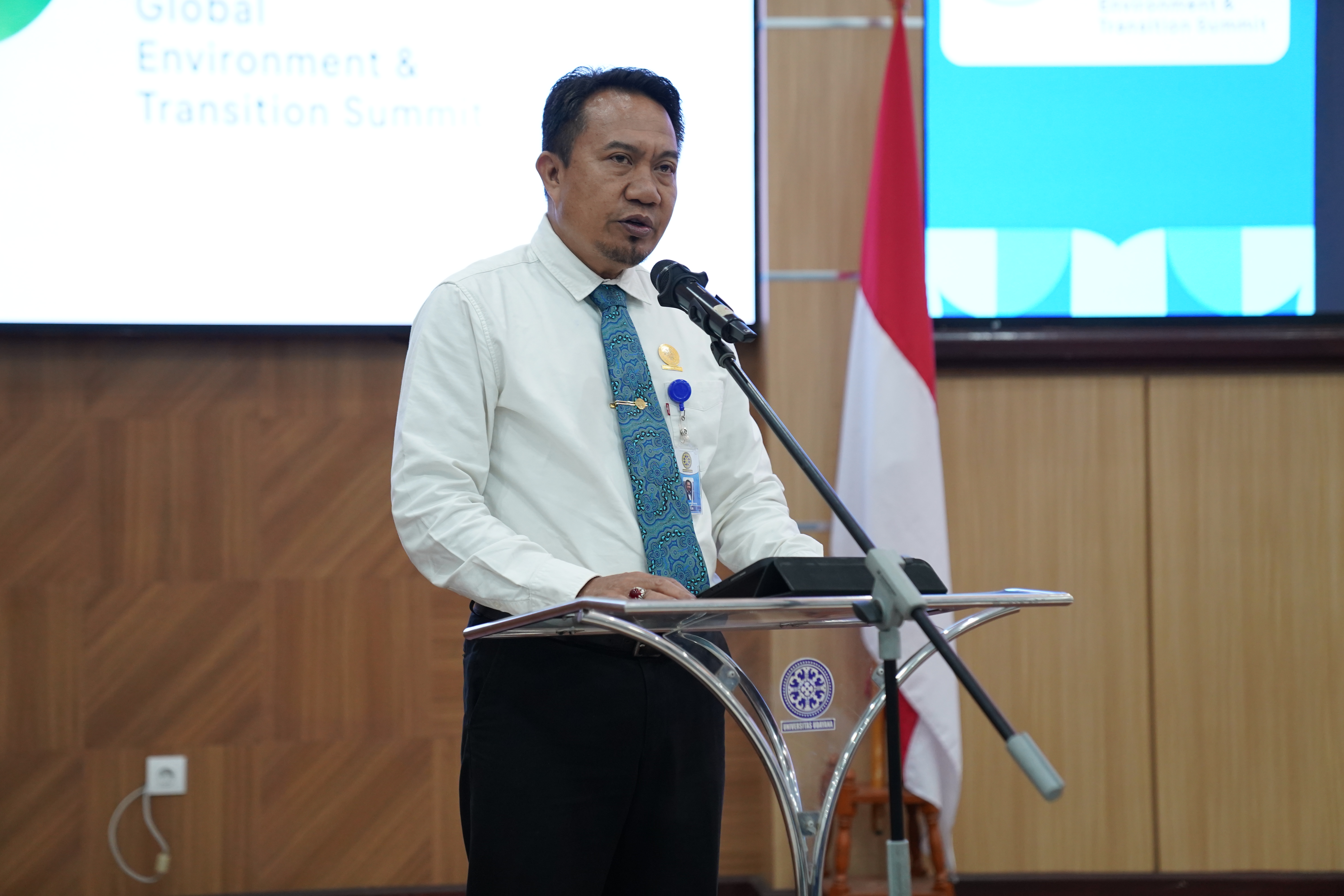
GETS 2026 Conference
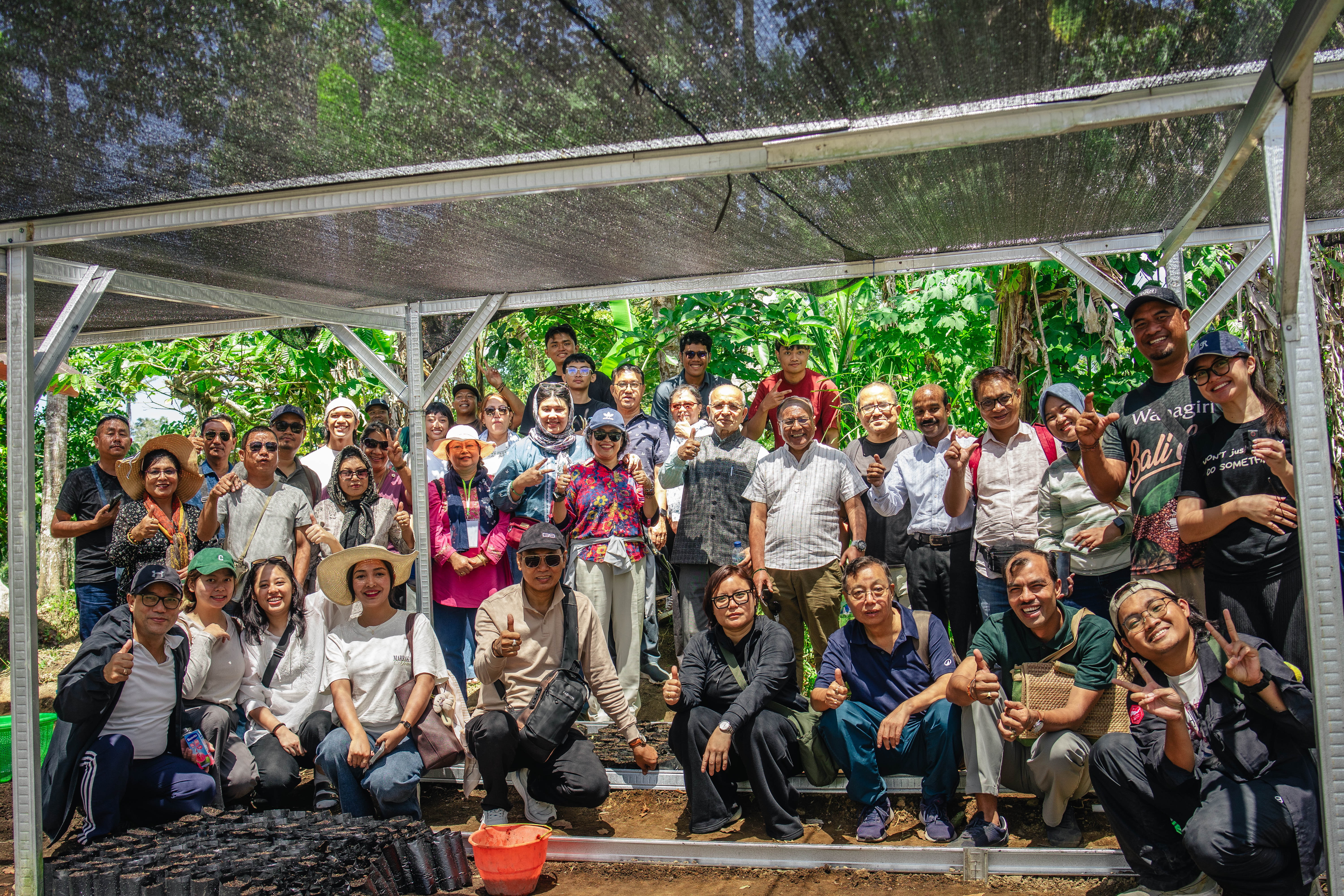
Wanagiri Learning Visit
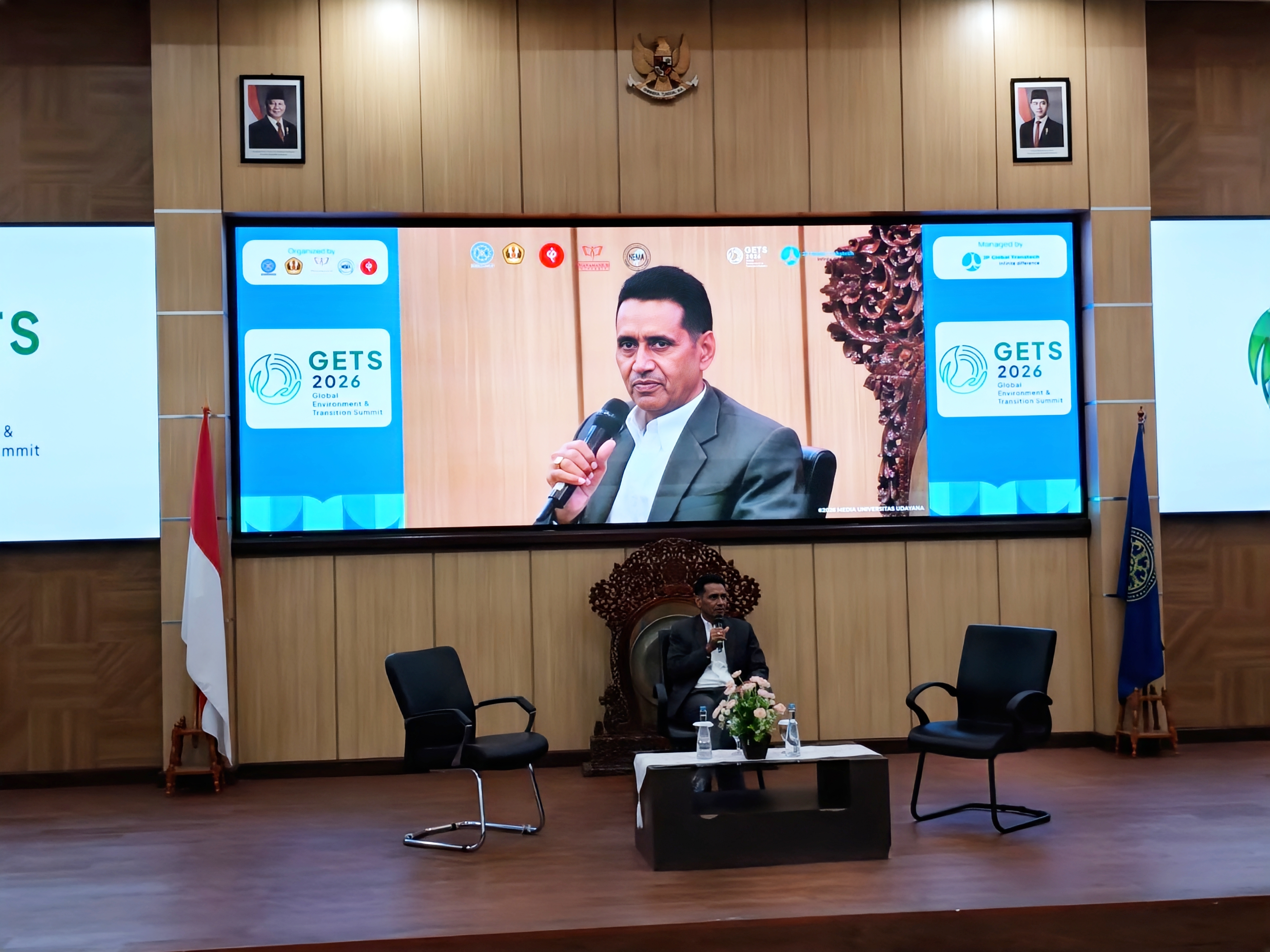
GETS 2026 Conference
27 photos from both events
Wanagiri Sustainability Learning Visit
Wanagiri Sustainability Learning Visit served as a post-conference experiential program introducing participants to community-based sustainability initiatives in Bali.
Environmental Education
Circular Economy
Community Empowerment
Sustainable Tourism
su-re.co
Learning Site
50+
Participants
4
Sustainability Activities
Selected Papers
Papers selected for presentation at GETS 2026 · 24 August 2026 · Universitas Udayana, Bali & Online
31
Total Selected Papers
19
Presenter (Offline)
12
Presenter (Online)
Selected Papers Overview
Does ESG really pay off in India? A study of whether sustainability performance improves profitability and market value in BSE100 firms.
Prof. Elangbam Nixon Singh
A study on startup ecosystem in Garo Hills of Meghalaya
Arpiush R Marak
Entrepreneurship and Startups for Sustainable Development: A Case Study on Tofu Enterprise in Manipur
Dr. Elangbam Jenita Devi
Circular Economy and Sustainable Development Goals: Trade-offs and Policy Priorities
Dr. Thongram Priyokumar Singh
Public-Private Partnerships in India's Green Infrastructure Transition: A Critical Policy Review
Dr. G. Anulata Devi
Corporate Social Responsibility and the platform economy: A review of gig companies' role in regional sustainable development
Dr. Kiirii Onand Monsang
Own Source Revenue of Urban & Rural Local Bodies: A Bibliometric Analysis using VOSviewer and RStudio Bibliometrix Software Tools
Lamyanba Waikhom
The influence of Situational Factors on Entrepreneurial Intention and the moderating role of Entrepreneurship Education in Entrepreneurship Development among women students in Manipur
Thokchom Belinda Devi
From Greenwashing to Greenhushing: A Bibliometric Mapping of Corporate Sustainability Under-Communication and Its Implications for Green Marketing (2008-2026)
Dr. Rajesh Singh Kumabam
Corporate Social Responsibility and the Platform Economy: A Review of Gig Companies' Role in Regional Sustainable Development
Rolly Hongam
Bridging Financial Inclusion: Efficiency and Operational Challenges of Business Correspondents in delivering Rural Banking Services
Dr. Sanasam Somokanta Singh
Impact of Green Human Resource Management Practices on Employee Behaviour: A Study of Colleges and Universities in Garo Hills of Meghalaya
Joshua Lalhmathuoi Shunate
Challenges and Opportunities in Overseas Employment: An Analytical Study of Manipur Youth's Interest in Japan
Dr. Nambram Amulkumar
Hydrothermal Carbonization of Organic Solid Waste for Sustainable Biomass Valorization in the Circular Bioeconomy
Prof. Koijam KK Mani Bhushan Singh
From Indigenous Resources to Sustainable Competitive Advantage: The Role of Dynamic Capabilities among Green Entrepreneurs in Nagaland
Dr. Dhrubajyoti Bordoloi
Determinants of Electric Two-Wheeler Purchase Intention in Guwahati city: An Extended UTAUT2-Based Study
Himangshu Sekhar Bharadwaj
Hydropower Underutilisation and Energy Dependency in Mizoram: Causes, Consequences, and Policy Pathways
Lalawmpuii Kawlni
Integrating Green Human Resource Management and Human Resource Accounting: A Conceptual Framework for Measuring Sustainable Human Capital
Dr. C. Vanlalzawna
Evaluating the Impact of Green Human Resource Management on Employee Sustainability Behaviour within HDFC Bank's Virtual Care Ecosystem.
BMB Umahani
Finite Element Analysis of a ZnO-Based MEMS Piezoelectric Energy Harvester for Mechanical Energy Conversion
Moirangthem Shamjit Singh
Green Entrepreneurial Ecosystems for Sustainable Development: A Multi-Level Theoretical Framework
Singruwng Sujita Anal
Self-Help Groups as Facilitators of Socio-Economic Transformation: Evidence from Pakyong District, Sikkim
Dr. Konathala Kusumavathi
FinTech Adoption in Manipur: Level and Determinants Among Gen Z and Millennials
Tejnarayan Thakur
Managing Mandatory Corporate Social Responsibility: Evidence from Some Companies in Assam, India
Sangeeta Choudhury
CSR: A Strategy for Navigating Workplace Productivity
Prof. Ningombam Jayanti
The Impact of Employee Engagement on Employee Performance: Evidence from the Banking Sector in Manipur
Sorokhaibam Patricia Devi
Plastic Waste Management and Circular Economy
Dr. Binota Thokchom
The Significance of Raas Mandal in Manipuri Raas Leela
Dr. P. Lilabati Devi
Sustainable Entrepreneurship and Community Innovation: The Role of University Business Incubators in Rural Thailand
Wichian Charoenyingthanarkoon
From Language Learning to Climate Awareness: Introducing Korea's Green Practices through Korean Language Education
Dr Ahanthem Romita Devi
Compliance and Value-Chain Emissions Disclosure under India's BRSR Core Mandate
Dr. Jyotirmoy Roy
Venue & Location
Lecture Building, Universitas Udayana — Bali, Indonesia
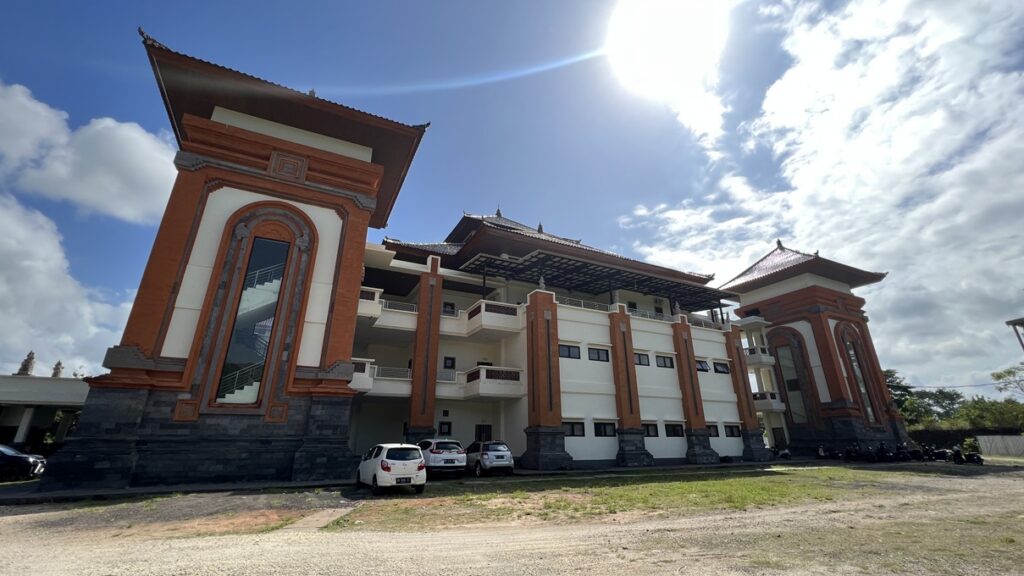
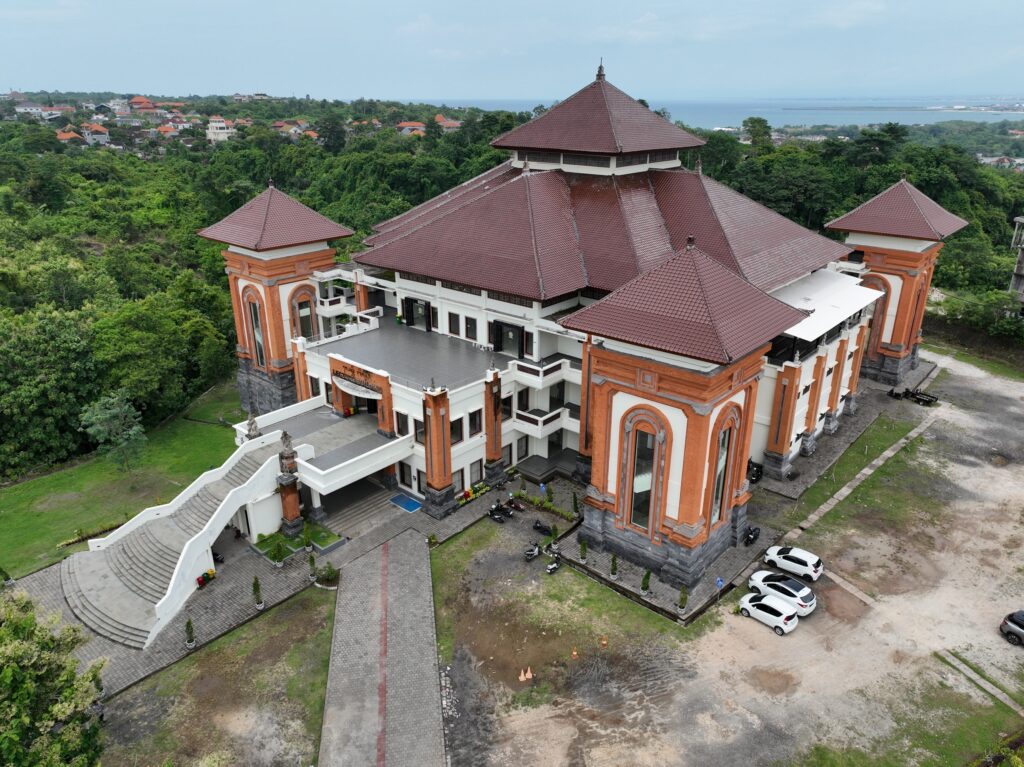
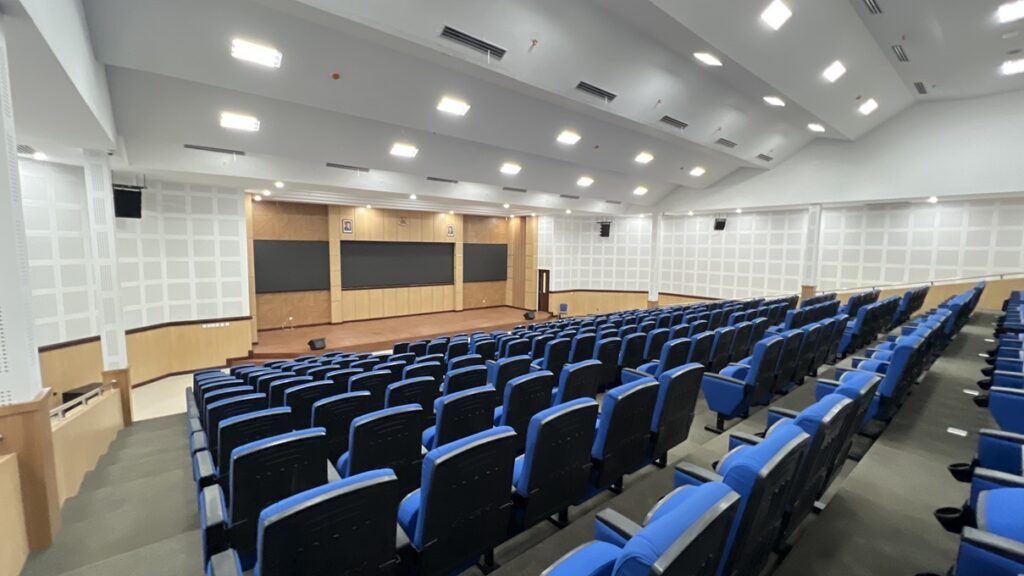
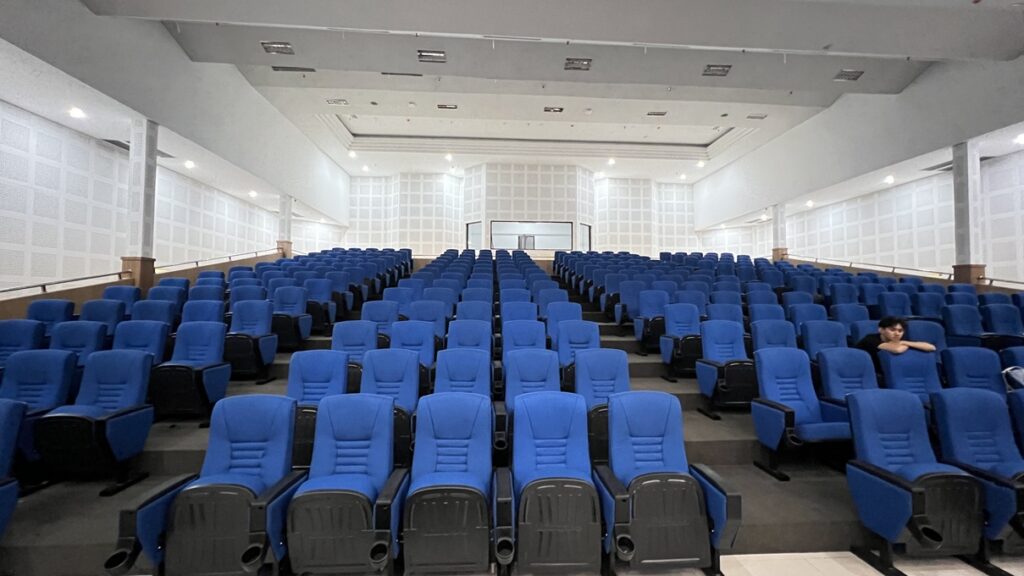
654C+PJW, Jl. Prabu Udayana, Jimbaran, Kec. Kuta Sel., Kabupaten Badung, Bali 80361
Open in Google MapsLatest News & Insights
Udayana University Strengthens Cross-Sector Collaboration, Pushes Green Transition Solutions Through GETS 2026
Universitas Udayana hosted the Global Environment & Transition Summit (GETS) 2026 in Jimbaran, Bali, bringing together academics, government representatives, and industry leaders to advance sustainable climate solutions and cross-sector partnerships.

Official Flyer
GETS 2026 Official Flyer
Get the official flyer for the Global Environment & Transition Summit 2026. Download and share it to help spread the word about the conference.
Legacy & Future Collaboration
The outcomes of GETS 2026 extend beyond the conference, establishing a foundation for ongoing international collaboration on sustainability research and policy implementation.
Research Legacy
200+ papers contributing to the Springer proceedings on sustainability and green transition.
Global Network
30+ countries connected through sustainable development research collaboration.
Policy Impact
Concrete sustainability policy recommendations for climate resilience initiatives.
Together, GETS 2026 strengthened international collaboration toward a climate-resilient and sustainable future.
— GETS 2026 Organizing Committee